Few experiences disrupt life as completely as the end of an important relationship.
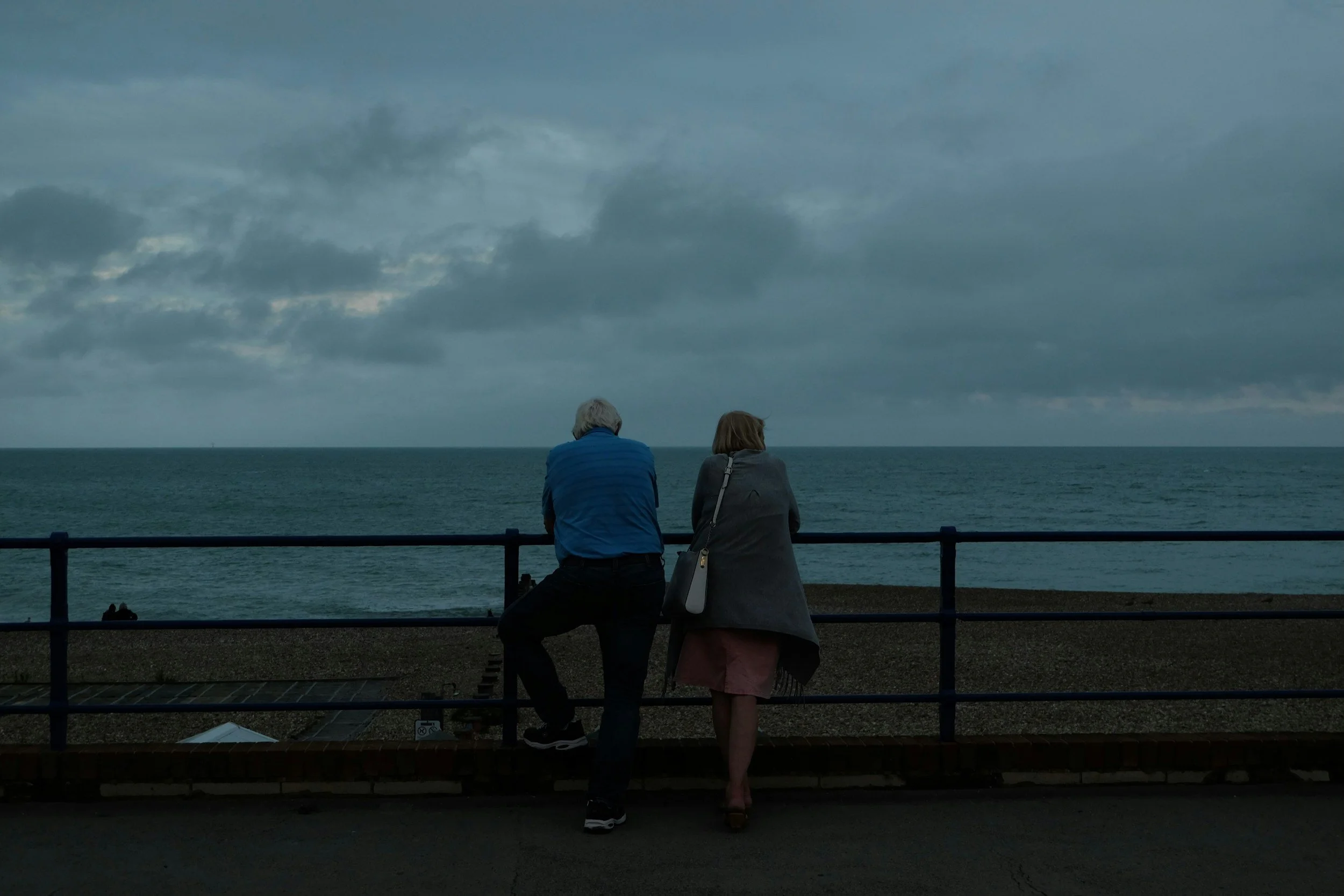
She was the one who asked for the divorce.
For months, she had been certain.
She had cried about it. Thought about it. Talked to friends. Imagined what her life might look like afterward. There were days when simply admitting the truth, that she no longer wanted to be married, felt like a relief.
So she expected that once the decision was made, something inside her would settle.
Instead, three weeks after they separated, she found herself standing in the grocery store holding his favorite cereal.
She stared at the box for a moment before putting it back.
Then she started crying.
It wasn't that she wanted to take the marriage back.
That was what made it so confusing.
She could remember exactly why she had left. She could remember the loneliness, the arguments, the things she had tried to change and the things she had finally accepted she could not.
She could know, with complete clarity, that the relationship was over.
And still miss him.
Still miss the person who knew how she took her coffee. Still miss having someone to text when something ridiculous happened at work. Still miss the ordinary rituals of a life they had built together. Still find herself turning toward him with some small thought before remembering that she no longer had anywhere to put it.
Sometimes you can be certain that a relationship needs to end and still grieve it as though you weren't the one who ended it.
That is part of what makes divorce so disorienting.
The decision may be clear while the feelings are anything but.
You may feel relieved in the morning and devastated by dinner. You may be furious with your former partner and then miss them an hour later. You may feel hopeful about your future and then suddenly find yourself grieving a life you thought you would be living for the rest of your life.
There may be parts of the marriage you don't miss at all.
And there may be parts you miss terribly.
Divorce is the loss of more than a relationship
When people think about divorce, they often think first about losing a partner. But a marriage usually contains an entire life.
There are routines and traditions. Shared friends and family relationships. A home that once felt permanent. The person you were when you were married. The plans you made without ever having to say them aloud.
There is the future you assumed would happen.
And then, suddenly, there isn't.
This is why divorce can feel like more than heartbreak. It can feel like losing your place in your own life.
You may find yourself asking:
Who am I now?
What does my life look like if the future I planned isn't happening?
How do I know whether I made the right decision?
Can I trust myself again?
Will I ever feel at home in my life again?
Sometimes people come to therapy expecting to talk about their former partner.
What they discover is that they're also grieving an identity, a sense of belonging, a version of themselves, and a future they had quietly built their life around.
The end of a marriage isn't simply a legal process. It's often a psychological one as well.
There is no "right" way to experience divorce.
Some people feel devastated.
Others feel relieved.
Many feel both.
Some grieve immediately. Others remain focused on practical responsibilities until months later, when the emotional impact finally catches up with them.
People often judge themselves for whatever reaction they're having.
They worry they should be stronger. Less angry. Less sad. More certain. More forgiving.
But emotional responses to divorce are rarely neat or predictable.
Part of therapy involves making room for the complexity of what you're experiencing rather than trying to force yourself into a particular version of healing.
You can be surrounded by people and still feel alone.
Even people with strong support systems often describe feeling isolated after a divorce.
Friends and family may care deeply but struggle to understand what the experience feels like from the inside. Some relationships shift. Others disappear altogether.
Many people discover that they no longer know where they fit.
The life they built around a partnership has changed, and they are still figuring out who they are without it.
This period can feel disorienting.
It can also become an opportunity to develop a different relationship with yourself and with others.
What divorce counseling looks like.
Divorce counseling isn't about convincing you to move on.
It's not about deciding who was right or wrong.
And it's not about finding a way to stop caring about someone who mattered to you.
Instead, therapy provides a place to understand what this experience means, how it has affected you, and what comes next.
Over time, people often begin to notice:
Patterns that existed within the relationship
Questions about identity and self-worth
Grief that has been difficult to acknowledge
Feelings of anger, guilt, or regret
Fears about future relationships
New possibilities that were difficult to imagine before
As therapy progresses, many people find that the crisis of divorce gradually becomes something else: an opportunity to understand themselves more deeply and build a life that feels more aligned with who they are becoming.
Common reasons people seek divorce counseling.
People reach out because they:
Are considering separation or divorce
Recently ended a marriage or long-term relationship
Feel overwhelmed by grief, anger, or uncertainty
Are struggling to adjust to life after divorce
Feel lonely or disconnected
Want support navigating co-parenting challenges
Feel stuck in resentment, guilt, or self-blame
Are trying to rebuild their sense of identity
Others simply tell us:
"I thought I'd be doing better by now."
That's enough.
You don't need to know exactly what you're looking for before starting therapy.
Divorce Counseling in Seattle and Throughout Washington
Seattle Counseling Center provides divorce counseling in our Queen Anne office and online throughout Washington State.
If you're considering therapy, we invite you to schedule a free consultation. We'll answer your questions, learn a little about what brings you here, and help you determine whether working together feels like the right fit.